
Is Football Really A Team Sport: What Happens When Leaders Stop Believing They’re Part Of The Team?
August 4, 2026
The past week has been one of the most tumultuous in football’s history with FIFA President Gianni Infantino proposing an investment vehicle to sell of shares in the World Cup.
The outrage from fans, federations and confederations saw the idea scrapped within a week, with Infantino trying to reset his Presidency as one ‘to unite and to improve’ the football family and its income.
My son plays football for a professional team’s junior development squad. He dreams of being signed and getting to make his hobby his career.
Watching him train and play, five to six times a week during the season, there’s such a balance between focusing on his actions and impact and the greater good of the team.
I want him to do well, to stand out, to get spotted by scouts, but I know that having good players around him makes that a lot easier and raises the level for him and his team-mates.
It’s the same in any organisation. Everyone has their role, everyone has their strengths and weaknesses, and the better the staff do individually and as a team, the more likely the chances are of success.
Gianni Infantino seems to have forgotten that – and it could well cost him the leadership of football.
While the football at the FIFA World Cup this summer was enjoyable, there were elements of the tournament that go against the traditions of the sport.
The cost of tickets and city travel, hydration breaks and the final’s half-time show all fuelled concerns that commercial interests were taking precedence over the fan experience. Controversial officiating, including a red card seemingly rescinded at the request of the US President, further undermined trust in FIFA’s ability to govern for the good of the game.
Infantino was at the heart of the decision-making process for these changes, and has proceeded to plan to extend the World Cup further to a 64-team tournament.
That may benefit smaller countries who earn transformative sums to fund their grassroots and professional league investment, but at what cost?
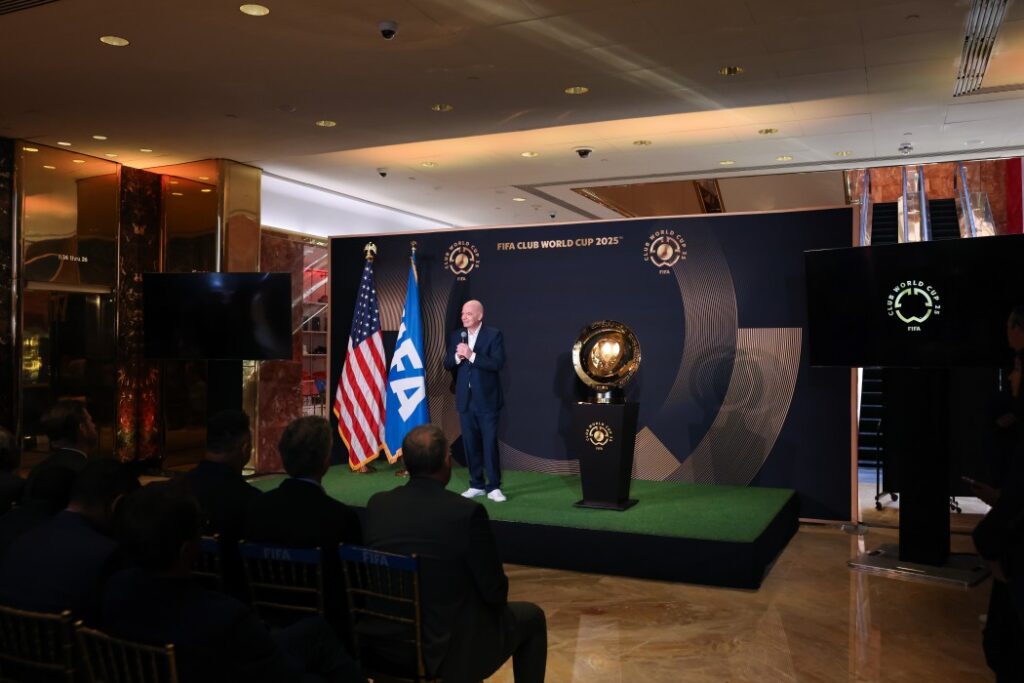
After already extending the Club World Cup, he has forgotten the golden rule of leadership.
We are accelerating to a point where footballers will strike, such are the demands placed on the top performers to play 11 months or so of the year.
Meanwhile fans are expected to find more money to fund supporting their teams, with the assumption that they will simply always find a way.
Great leaders understand that they are custodians of an organisation, not its owners. The moment they begin to believe the organisation exists to serve them, trust starts to erode.
The doomed Fifa Forward Enterprise (FFE) scheme saw Infantino make significant mistakes, drunk, perhaps, on the increase in his own power and profile, safe in the knowledge that his re-election next year was almost certain.
It became clear through statements from FIFA executives that Infantino had forgotten the rules of teamwork, which apply as much in the boardroom and in governance as they do on the field.
He had undertaken little to no consultation with his colleagues and other stakeholders, and then proceeded to warn anyone rejecting the plans that they would lose out financially as a consequence.
Spare a thought, also, for the FIFA communications team, who bear the brunt of much criticism at times like these when they are demoted to messengers rather than the management function that could have mitigated for this reputational disaster.
While football could of course have done without the drama, Infantino has done the sport a huge favour.
By showing that he believes he is more important than the beautiful game, its traditions and structures, and that wealth creation should come before anything that has made football the most popular sport in the world, he has made his position untenable.
Whether he accepts it’s time to hang up his governance boots or is forced to the sidelines by those who understand the importance of retaining football’s traditions remains to be seen.
As I tell my son, football rewards those who put the team first. The same is true of leadership. Communication, collaboration and humility matter just as much in the boardroom as they do on the pitch.
The author David Alexander is the founder of Calacus PR.