
Olympics & FIFA World Cup Voted Most Impactful Events for Young People in Major new Survey for Host Cities Dubai
November 17, 2015

Top 10 Report Findings in detail
Sport showstoppers make the biggest impression but young people are most interested in arts and cultural events
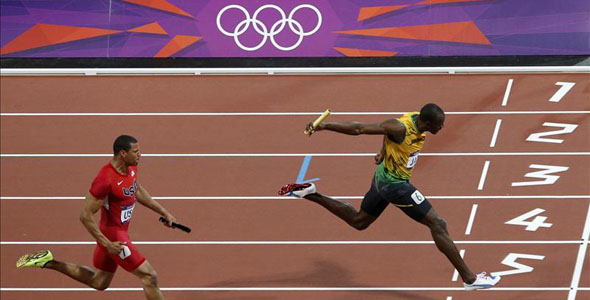
‒ Almost 9 in 10 say the Olympics or FIFA World Cup made the biggest impression in the past four years
‒ Votes would see the FIFA World Cup return to South Africa, with the UAE and India next
‒ More young people are most interested in arts, culture and music (6 in 10) than sport (4 in 10) events.
Non-elite, mass participation events are just as important as spectator events
‒ 8 in 10 think mass participation events such as marathons are now as important as elite spectator events
‒ They are more popular among those in Brazil, South Africa, India and China (9 in 10) than Japan (6 in 10)
‒ Females are more likely than males to rate them as important (83% vs. 75%).
Demand is growing – young people expect to engage with more events in the future
‒ Seven in 10 attend at least one major event a year, 49% watch more than 10 per annum
‒ Three quarters of young people think the number of events they will engage with will grow
‒ Reasons include more disposable income, more appealing formats and new technology.
Extreme and adrenalin sports are on the up and young people want to see skateboarding in Tokyo 2020
‒ Two thirds of young people crave more extreme and adrenalin sports
‒ Most vote for skateboarding to be an Olympic sport, it is among five currently shortlisted for Tokyo 2020
‒ Most young people in France – home of ‘French Spider-man’ Alain Robert, instead vote for free-climbing.
Technology will continue to change the way young people engage with events and sponsors
‒ Seven in 10 say the way they engage with major events has changed even in the last few years
‒ Four in 10 plan to watch the 2024 Olympics online and 1 in 10 by technology yet to be invented
‒ Seven in 10 (84% in Brazil, 80% in South Africa and India) warn events must keep pace to succeed
‒ 46% of young people are more likely to try products from sponsors of events, teams or individuals they like.

The importance of ‘live’ prevails but expense remains a costly barrier
‒ Seven in 10 young people agree nothing will ever beat the experience of ‘being there’
‒ High costs – for tickets and travel – is the main barrier to going more often
‒ Six in 10 (more in Brazil and India) feel going to major events is ‘out of reach’ for most.
Whilst cost is a concern, most young people believe events create positive social and economic legacies for cities
‒ Almost 9 in 10 believe events can inspire young people
‒ 7 in 10 feel events can foster community spirit and cultural understanding
‒ Half agree events help build infrastructure, 45% felt events create job opportunities and over a third agreed that educational and social benefits accompany major events.
‒ 6 in 10 think hosting a major event can promote a city’s reputation to the outside world and 53% think that events boost tourism.
Young people want to see more established events hosted in new markets
‒ Most believe a major event should not go to a city simply because it is deemed a ‘safe pair of hands’
‒ 9 in 10 (100% in Brazil, 97% China, 96% India, 92% UAE) want more major events in new territories
‒ London and New York are named the leading host cities, followed by Paris, Beijing and Tokyo.
Half think their city is ready to host a major event, with infrastructure the most pressing need for cities not ready
‒ Seven in 10 would ‘back the bid’ in their home city and over half consider their city is ready to play host
‒ Young people in Dubai and the UAE are the most certain of their city’s readiness to host a major event
‒ Those not ready say their city needs better infrastructure, venues, and financial, public and political support
‒ 96% of young people in Brazil say their cities needs better infrastructure before hosting a major event.
Future events must innovate, entertain, and deliver socio-economic value if they are to win youth support
‒ Inspiring participation, skills/job creation, and contribution to economic growth are considered important
‒ In the UK most (50%) young people say events should focus on infrastructure to have the greatest impact
‒ In the South Africa 69% consider the ability to provide skills development and job creation most important
‒ In France most (47%) say events inspire youth participation, in the USA, 49% thought that events should contribute to economic growth to have greater positive impact
‒ 57% of young people in China feel events should focus on promoting the image of the host city.
 Michael Pirrie led the international media relations and communications programme for the London 2012 Olympic Games Bid Committee (2003-2005, and Executive Advisor to the London 2102 Olympic Games Orhanising Committee and its chairman, Sebastian Coe (2006-2013).
Michael’s 