
When The Algorithms Eat Your Sports Content Strategy
January 15, 2026
The way content is created for teams and players is being guided by what’s demanded by the platforms as much as the business plan. Is that going to benefit the clubs or the spectators, asks David Granger of content marketing agency Arc & Foundry.
There was a time when a player’s value was measured in goals, assists or the occasional less-than-savoury tackle. Now athletes need to demonstrate engagement rate, follower growth and their charisma in vertical video. Clubs may talk about authentic connections, but, let’s face it, some (most?) of their digital output is as much about satisfying a feed’s criteria as its supporters.
Broader distribution fuelled by algorithms certainly looks like progress. According to Sports Business Journal, short-form social platforms will now deliver to more than 70% of users who don’t follow the account. Discovery and non-follower reach has replaced community engagement as the headline number.
In practice, this changes strategy. The safest path to success is no longer creating content which fits in with your club’s ethos; it’s creating for the feed. A goal from a freekick is great, but a post-match changing-room dance synced to a song trending on TikTok is more predictable. The latter reliably racks up completion rates and replays, the metrics the social platforms state are key to distribution.
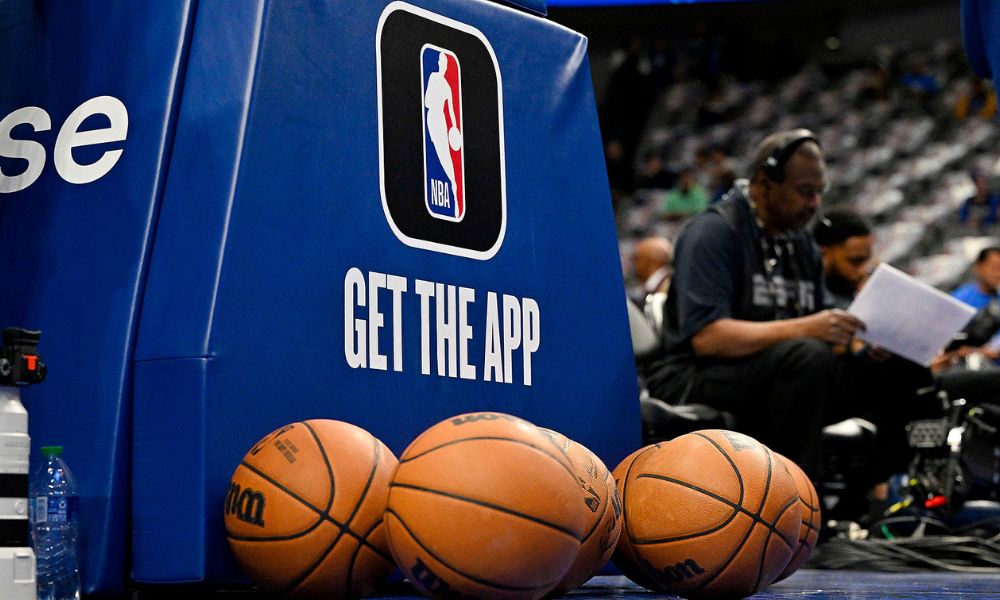
Leagues and clubs have seen the benefit and adapted quickly. The NBA is a prime example: platform-specific edits, heavy use of behind-the-scenes content, relaxed controls on fan sharing. Short-form clips now account for most the NBA’s digital interactions. By building content which platforms recognise as high-performing, and you’ll be rewarded you scale.
But. But…
When everyone is working towards the same factors, everything starts to look the same (and yes, we’re casting a side-eye in your direction Generative AI. We know where you’re heading). Identical formats. Identical pacing. Identical captions. It’s hard to claim to be authentic when your post could have come from half a dozen other clubs with the logo cropped out.
Sprout Social data shows Premier League clubs seeing behind-the-scenes content outperform everything else. TikToks of players laughing in the tunnel will beat match graphics for engagement and watch time. Handheld footage will outperform carefully crafted big moments.
And players are increasingly acting as media channels. Content-ready athletes whose follower demographics are a better pitch to sponsors. And while we may not have scouts checking TikTok analytics alongside expected goals (yet), social footprint shapes how players are packaged and promoted.
Similarly, sponsors accelerate this. Campaigns will always have a social element to them: excellent for reach. Less convincing if you believe not every story worth telling fits into twelve seconds with subs.
Clearly sports content marketers cannot abandon algorithms’ influence or retreat to chronological feeds and grainy images. Used intelligently, platforms will broaden audiences, surface niche stories and unlock genuinely creative formats. The problem starts when optimisation becomes obedience.
The risk with sport content is when calendars are built around what the feed prefers rather than what the sport means, something vital erodes.
The challenge is treating algorithms as tools, not rules. When a platform decides what a moment is worth before fans do, sport stops being live. It starts being ranked. And we should probably stop pretending the algorithm is working for the team, the player, the club or the driver.