
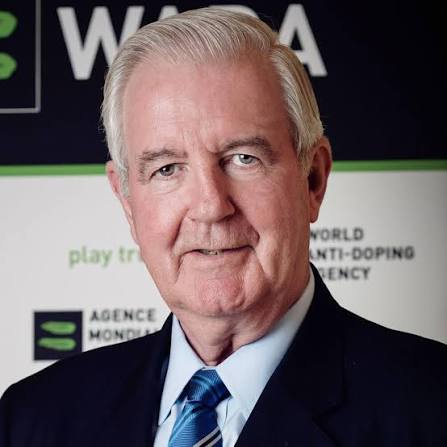
Sir Craig Reedie: The Olympic Knight In Shining Armor who the Kremlin Couldn’t Kill
2 hours ago
In appreciation of Sir Craig Reedie, who saved the soul of sport from doping and key figure in success of London 2012 Games that transformed the capital and inspired the Olympic Movement – by London 2012 colleague, Michael Pirrie.
On a warm 2005 July afternoon in Singapore, as the fate of the Olympic Games hung in the balance, three figures carried London’s hopes into the IOC presentation hall. The late Dame Tessa Jowell, quiet, optimistic but nervous. Ken Livingstone, with the capital’s pulse in his stride. And Craig Reedie, with the calming presence of a man who understood the Olympic world from the inside out.
While individually different in personality, and motivation, Jowell, Livingstone and Reedie formed an unlikely alliance, something rare in public and national life – a united vision that would transform London’s fragile Olympic Games aspirations into something the IOC could trust.
The three architects of London’s bold bid may not have looked like a literary trio – but they moved like one. In another century, Alexander Dumas himself perhaps may have recognised them instantly as the model for his immortal classic: three different people united by a single cause, who were known to veteran London 2012 insiders as ‘The Three Musketeers’.
If so, Reedie was musketeer Athos, the noble elder statesman of Olympic diplomacy – composed and respected, with credibility and presence.
“All for one, and one for all” was never a rally cry before any major policy launch or meeting but it was at the heart of the bid – from the lobbying and pitch presentations to the spirit of the team that planned London’s innovative Games model that would defy expectation and defeat world leading rival cities, New York, Madrid, Moscow and finally Paris.
With Sir Craig’s passing, announced earlier this week, a giant of modern sport has left the field.
The future of global sport is often decided not by athletes, but by administrators in the quiet corridors of Olympic power far from the roar of stadiums and competition venues.
IMPECCABLE CREDENTIALS
Sir Craig Reedie played a pivotal role, walking those corridors into countless meeting rooms and power point presentations that shaped global sport over recent decades.
Few have carried the burden of that responsibility with such integrity, given such distinguished service, nor been so well respected as Reedie.
A product of the Olympic system, Reedie’s journey from badminton champion to senior high ranking IOC figure, among other internationally important positions, placed him at the epicentre of sport’s most tumultuous era.
Reedie’s credentials were impeccable.
A long-serving member of the IOC, key figure in the rise of British Olympic influence and central to the success of the iconic London 2012 Games, Reedie embodied the traditions, resilience and values of the Olympic Movement in a period of deep global disruption and division.
Reading Sir Craig Reedie’s CV is like climbing the summit of global sport: President of World Anti=Doping Agency, Vice President of the International Olympic Committee, Chair of the British Olympic Association.
Each position has enormous gravitas and weight and yet, taken together, they still undersell the true scope of Reedie’s life, influence and impact.
Reedie was a rarity – a guardian of modern sport as well as elite administrator. He understood how politics could corrupt or enhance sport but strived to put the interests of sport before politics.
The inherent struggle to remain faithful to the Olympic Movement’s timeless values and ideals in rapidly changing and morally complex times spanned much of the Reddie era.
Reedie’s fight against corruption and efforts to restore trust in sport defined much of his leadership and legacy
The globally recognised London 2012 Games was his most enduring success.
Seb Coe, the heartbeat of London 2012, described Reedie as his mentor.
Seb was not alone. Reedie’s understanding of the Olympic Movement was sought and valued widely – from UK ministers at the most senior levels of government and foreign embassies hosting bid-related events to sports leaders preparing legacies and Her Royal Highness The Princess Royal, Anne, herself an IOC member and former Olympian, who relied on Reedie’s confidential advice on sensitive sports issues
Reedie’s role in London’s boilover win in what was regarded as the most competitive bid in Olympic history was both fundamental and monumental.
Reedie, critically, provided the spark that ignited London’s global efforts to bring the Olympic Games to the capital, supported strongly by Livingstone and Jowell.
REEDIE & LONDON TAKE OLYMPIC GAMES IN NEW DIRECTION
The daring bid was essentially Reddie’s idea but he never sought public recognition, headlines or took out a copyright on it. Humility was one of the core qualities that helped to define the man.
Reedie’s work on London 2012 carried consequences far beyond the field of play. These involved national pride and international standing and raised the personal, institutional and national pressure and expectations to succeed to levels few in sport ever encounter.
Reedie played a key role in mapping out London’s new narrative for the Olympic movement’s flagship to be more than a sporting event, bringing the Games to a modern, multicultural city and putting athletes and young people at the heart of the Games.
He was central to the highly effective last minute lobby effort that included hosting private meetings with IOC members and the UK Prime Minister Tony Blair.
Reedie was also a symbol of defiance in the face of the horrific terrorist suicide bombings that killed dozens on London’s transport system just hours after the bid win.
Declaring that terrorism would not undermine London’s commitment to hosting the Games, Reedie said: “I can assure you these terrible acts in no way reduce our resolve to run excellent Olympic Games in 2012. The worst thing to do is concede anything to these people.”
The Storm Breaks
The exposure of extensive doping in Russia’s sporting systems and bureaucracy after the Sochi 2014 Winter Games posed the greatest threat to Olympic and world sport in modern times and was Reedie’s greatest challenge .
Defending the principle of clean sport required a form of courage rarely acknowledged in sport’s boardrooms and centres of power.
In taking on Russia’s doping apparatus, Reedie stepped into a contest that extended well beyond laboratories and legal codes. It was a confrontation with a system—and with it, the implicit understanding that the defence of clean sport can carry consequences not just professional, but personal.
The pressure was immense as Reedie and his teams confronted an all-powerful state backed system that had corrupted the very idea of fair play on which the existence of international sport exists
In leading the fight to save the system, Reedie became a custodian of modern sport.
The Custodian and the Crisis: Sir Craig Reedie and the Battle for Sport’s Soul
Following the information trail of a Russian whistleblower, Reedie and investigators, including Richard Pound and Richard McLaren, exposed a secret, vast doping operation set up by the Russian Government for its athletes, unprecedented in world sport.
The pressure was immense, the backlash inevitable, and the consequences far-reaching.
Athletes demanded protection, governments demanded accountability, and the international community demanded transparency and urgent resolution and reform
Moral Courage under Geopolitical Pressure
In confronting Russia’s state-sponsored doping machine, Reedie crossed an invisible line – from administrator to adversary – where the price of defending clean sport and athletes was measured not just in pressure, but in personal peril.
The risks ranged from possible retaliation and scrutiny to sustained pressure not just on the organisation, but on leading office holders.
WADA’s investigation during one of the most significant and dangerous scandals to face the Olympic movement was also a matter of life and potential death for Reedie, who, according to intelligence reports was the target of a suspected murder plot.
The plot involved an alleged attempt to poison Reedie by a Russian operative involved in an earlier plan to kill a former Soviet double agent and his daughter living in Salisbury, England.
The attempt involved the lethal nerve toxin Novichok, which was used to assassinate the former Russian Opposition leader, Alexi Navalny, and was believed to be involved in the move to silence Reedie
Quiet Bravery
The plot against Reedie was widely believed to be in response to WADA’s revelations of industrial scale doping which had humiliated the Putin regime that relied on international sporting success to promote its image of power on the world stage.
While WADA’s push for a ban on Russian athletes at the Rio Olympics was too geopolitically threatening for sections of the IOC and Olympic Movement, the controversy underlined the challenge of taking on a major sporting power on the global stage
Reedie demonstrated courage uncommon in sporting administration: not loud or headline grabbing but unyielding to forces often hidden from view seeking to corrupt sport.
Reedie’s bravery was hidden, exercised in committee rooms and diplomatic meetings as he continued to prosecute the case for Russia to reform.
Reedie and his WADA teams persisted in the face of extraordinary geopolitical pressure, publishing further findings, reports and recommendations for reform in Russia, placing the integrity of sport above political pressure, intimidation, or even another possible attempt on his life.
Eventually forcing greater and more transparent change in Russia, Reedie’s reforms to antidoping and governance of sport in Russia and international sport have been essential to halting the erosion of trust and credibility in sport more widely.
Under Reedie’s leadership, WADA expanded investigations, strengthened testing frameworks, and encouraged whistleblowers to come forward.
The veteran administrator was awarded the Olympic Order in 2023 by former IOC President Thomas Bach, the highest award given by the IOC in recognition of outstanding contributions to the Olympic Movement.
CONCLUSION
LIFE & LEGACY
Sir Craig Reedi stood firm and succeeded in the face of powerful and almost overwhelming state interests that threated the cornerstones of modern sport.
Navigating Olympic and world sport through its fiercest storm and helping to stabilise confidence and integrity in sport in a more sceptical world was Reedie’s greatest achievement.
The Olympic flags were lowered to half mast at IOC Lausanne headquarters in recent days in a rare international display of respect and recognition for Reedie and his enormous contribution to sport and society
The IOC President Kirsty Coventry Kirsty Coventry paid tribute to Reedie, calling him an “unwavering advocate for integrity” who dedicated his life to sport.
The IOC President moted his legacy in guiding the Olympic Movement with “dignity and determination’ and his lasting impact on athlete development.
The towering legacies from Reedie’s London 2012 work will endure for decade longer – the new communities, jobs, homes, and businesses created around Stratford Olympic Park in east London have rescued and transformed the lives of thousands, lifting generations from the entrenched poverty of the area.
A restructured British Olympic system and sporting nation that has become a top ten fixture at the Summer Games
New programs and pathways for sport and inspiration for young people will also change more lives and help to provide hope and stabilise communities in uncertain times
These and other Olympic related outcomes loom as towering legacies that have changed London, the UK and the Olympic Movement; legacies that can be traced back to Reedie and his loyal Musketeers Jowell and Livingstone.
Reedie’s style was not to seek prominence or recognition but was of a quieter and more enduring kind: the willingness to persist, to absorb pressure, and to make morally brave decisions in the best interests of sport knowing they would provoke powerful opposition.
Surely awards, scholarships, medals, sports centres, and even statues will follow in his name as awareness of Reedie’s achievements become more widely known and acknowledged in the years ahead..
In the often challenging ecosystem of global sport politics Sir Craig Reedie stood apart because of his decency. In rooms where others postured for advantage and position, Reedie retained and represented something rarer – credibility.
Reedie was much admired and made almost instantly positive and lasting impressions across the Olympic landscape.
His presence seemed to steady a room. There was a gentleness and instinctive fairness that reflected his quiet authority and presence. He did not command attention; he earned trust.
On learning of Reedie’s death, the highly regarded Olympic Games Ceremonies Director Ric Birch commented: “Sorry to hear about Sir Craig, he seemed like the perfect example of an old school British gentleman – honest, trustworthy and highly capable – so the sporting world will be the poorer for his passing.”
Reedie valued and encouraged new opportunities in life and in sport and was an early supporter of iSportconnect and the vision of founder Sree Varma to create a new platform and new ways of looking at the stories and business of sport.
Sir Craig participated at iSport events that covered, analysed and celebrated London 2012, and will be greatly missed by all in the iSport family and other media organisations that also valued, and respected Sir Craig’s sharp insights and perceptions into major developments in Olympic and world sport
His legacy will also be recorded in committees, reforms, and the hard-won battles for clean sport. But those who watched closely understood that Sir Craig Reedie’s true influence will also lay elsewhere—in the calm integrity he brought to meeting and committee rooms and in the courage to stand firm when it mattered most. The record will show what he did; those who know will remember how he did it.
A hush has fallen over international sport this week, and the Scottish accent that illuminated some of its most complex debates and far reaching decisions in meeting rooms and corridors of power over recent decades has fallen silent with Reedie’s passing.
A moment of silence will no doubt be observed in his honour when those meetings reconvene — but his wisdom and presence will not be lost if those who follow choose to speak with the same integrity, independence and quiet courage that defined him.
Long after the meetings have adjourned and the arguments of sport’s politics have faded into the background, what will endure is something quieter: the memory of a man who moved through it all with grace, humour, moral courage and an unshakeable sense of what was right. In the end, it is not the noise that defines a life like Reedie’s, but the silence it leaves behind. And this one will be deeply felt.
Safe hame, Sir Craig Reedie. Ye leave us richer—and ye’ll be sair missed.